SEO. Three letters that strike fear into the hearts of business owners everywhere. It sounds technical, complicated, and expensive. But here's the thing — the basics of SEO are actually straightforward, and getting them right can be the difference between being found on Google or being invisible.
What Is SEO? (The Simple Version)
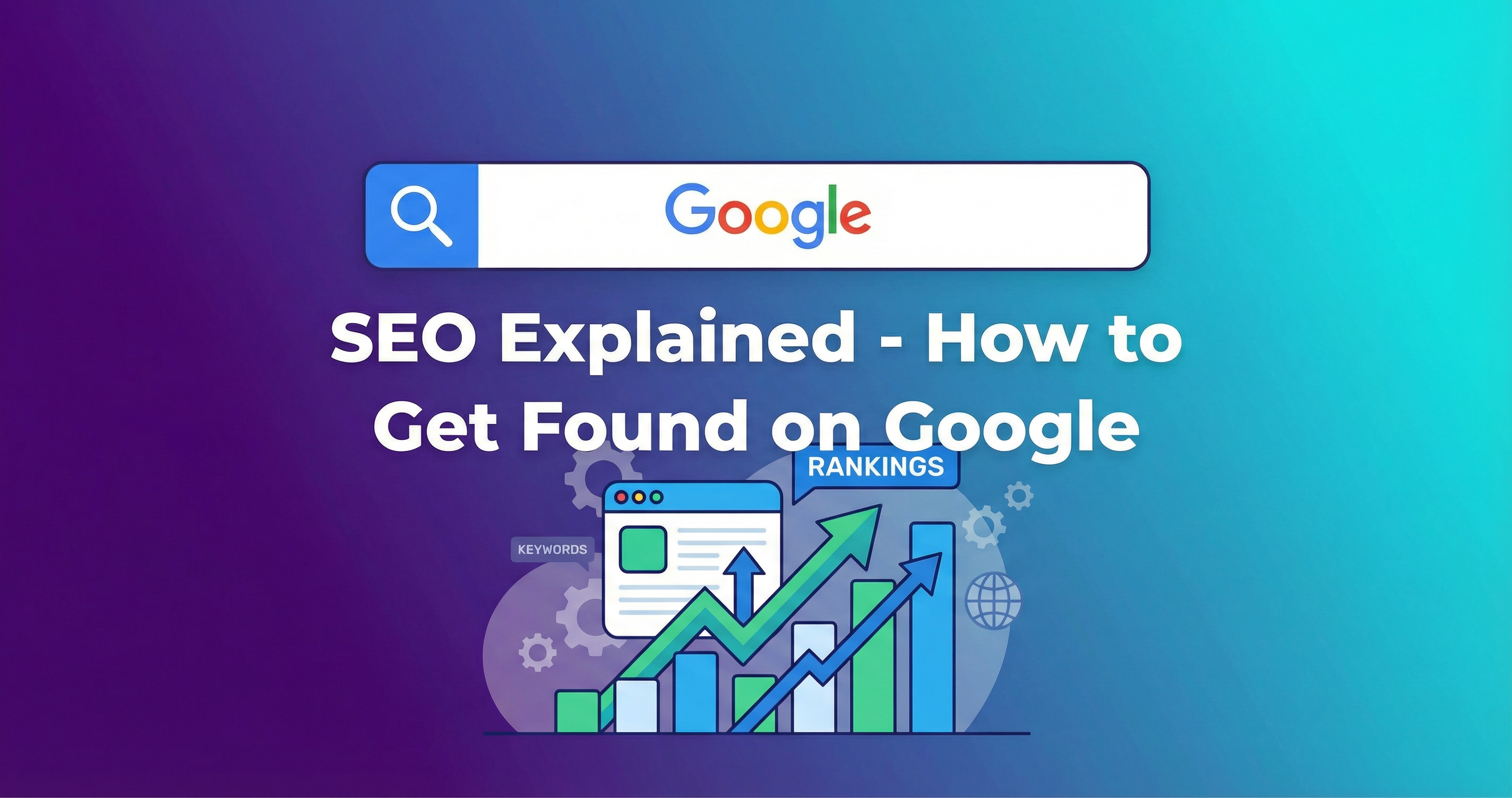
SEO stands for Search Engine Optimization. In plain English: it's everything you do to help Google find, understand, and recommend your website to people searching for what you offer.
When someone types "plumber near me" or "best pizza in Dallas" into Google, SEO is what determines which businesses show up first. The higher you rank, the more people see you, click through, and become customers.
Why SEO Matters for Your Business
Consider this: the first five results on Google get 67.6% of all clicks. Page two? Less than 6% of people ever go there. If you're not on page one for your key terms, you're essentially invisible.
SEO matters because:
- It's free traffic — Unlike ads, organic search traffic doesn't cost per click
- It's high-intent traffic — People are actively searching for what you offer
- It builds over time — SEO is an investment that compounds. Good SEO today means more traffic for years
- It builds trust — People trust Google's organic results more than ads
- Your competitors are doing it — If they're showing up and you're not, guess who gets the customer
The Three Pillars of SEO
1. Technical SEO (The Foundation)
This is the behind-the-scenes stuff that helps Google crawl and index your site properly:
- Site speed — Fast-loading pages rank higher. Period. Google has confirmed this.
- Mobile-friendliness — Google uses mobile-first indexing, meaning your mobile site is what they evaluate
- SSL certificate (HTTPS) — That padlock in the browser bar. Google penalizes sites without it
- Clean URL structure —
/services/web-designis better than/page?id=47&cat=3 - XML sitemap — A roadmap that tells Google about all your pages
- Proper heading hierarchy — One H1 per page, followed by H2s, H3s, etc.
- Structured data (Schema markup) — Code that tells Google exactly what your business does
This is where most small business websites fail. The "foundation" is broken, so nothing else works.
2. On-Page SEO (The Content)
This is about optimizing the actual content on your pages:
- Title tags — The title that appears in Google search results. Include your target keyword and location
- Meta descriptions — The short description under the title in search results. This is your "ad" in Google
- Header tags — Use H2 and H3 tags to organize content (like this article does)
- Keyword optimization — Use relevant keywords naturally throughout your content
- Internal linking — Link between related pages on your site
- Image alt text — Describe your images for Google and accessibility
- Quality content — Comprehensive, helpful content that actually answers people's questions
3. Off-Page SEO (The Reputation)
This is what happens outside your website that affects your rankings:
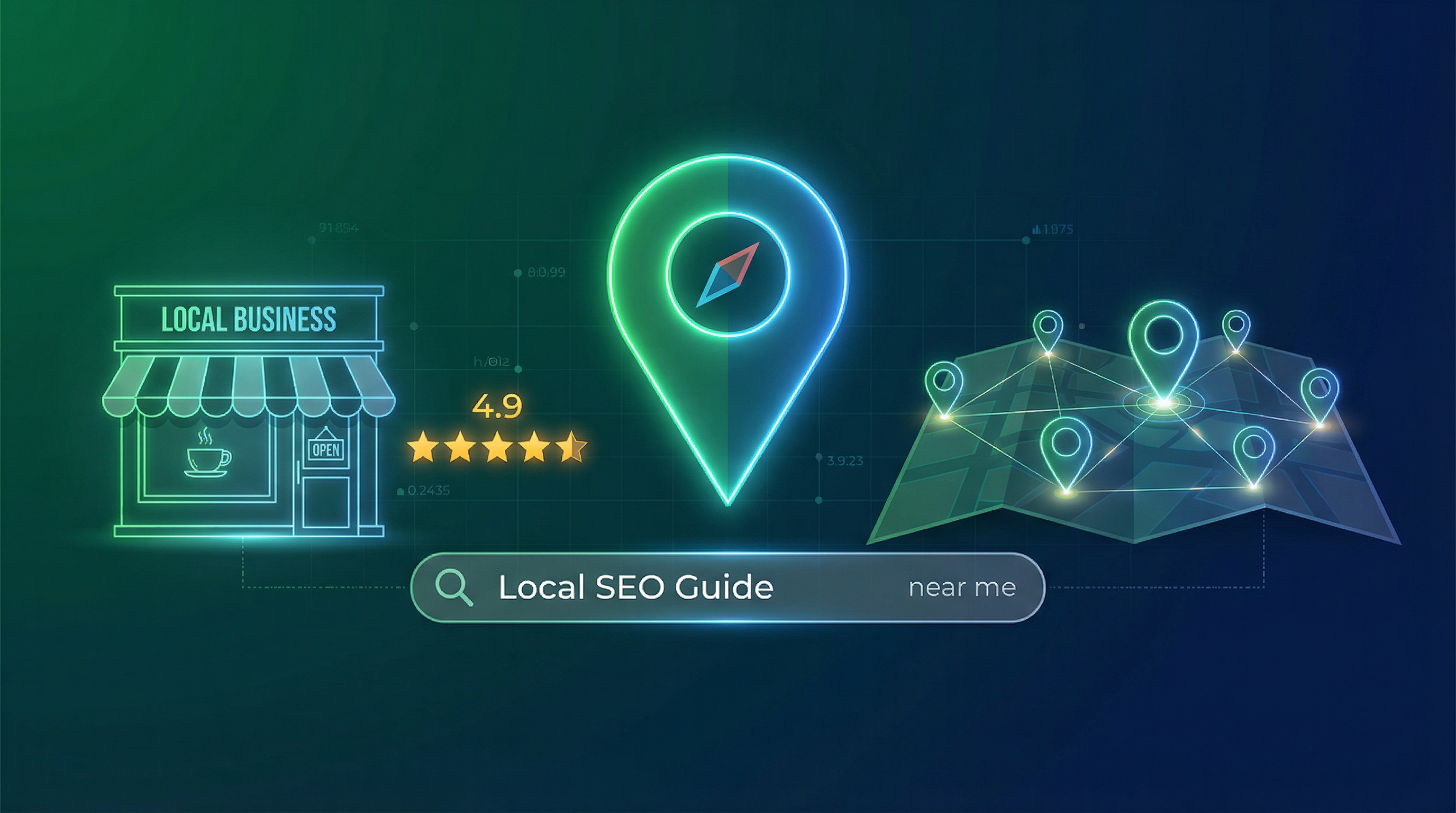
- Google Business Profile — Absolutely essential for local businesses. Claim it, optimize it, keep it updated
- Online reviews — More positive Google reviews = higher local rankings
- Backlinks — When other reputable websites link to yours, Google sees it as a vote of confidence
- Social signals — Activity on social media doesn't directly affect rankings, but it drives traffic
- Local citations — Your business name, address, and phone number consistent across the internet
SEO Quick Wins You Can Do Today
- Claim your Google Business Profile if you haven't already — this is free and incredibly powerful for local businesses
- Add your city name to your page titles (e.g., "Best Pizza | Chicago, IL")
- Make sure your contact info is on every page of your website
- Ask happy customers to leave Google reviews
- Check your site speed at PageSpeed Insights
- Make sure your site works on mobile — test it on your phone right now
What I Include in Every Website
SEO isn't an add-on for me — it's built into every website from the ground up:
- Optimized title tags and meta descriptions for every page
- Proper heading hierarchy and content structure
- Fast loading speeds (90+ PageSpeed scores)
- Mobile-first responsive design
- Schema markup for local business
- XML sitemap and robots.txt
- Image optimization and alt text
- Clean URL structure

![Local SEO: How to Rank for '[Service] Near Me' Searches](/uploads/blog/local-business-dominate-local-search.jpg)